

The Secret Lives of North American Hummingbirds
Migration, Courtship Drama, Feeder Squabbles, and the Flowers They Love
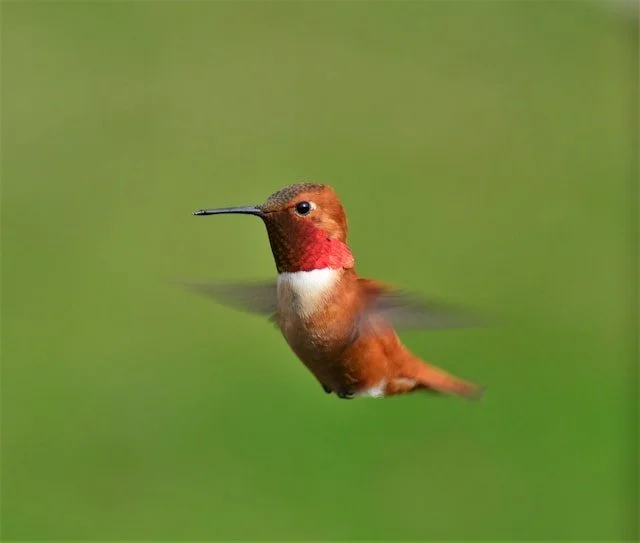
There’s a moment every spring that still stops me mid-step.
A soft whir.
A flash of green or rust.
A bird the size of a walnut hanging in midair like it’s breaking the laws of physics.
And just like that… hummingbird season is back.
If you’ve ever watched one hover at eye level, you know the feeling. It’s equal parts science fiction and fairy tale.
But here’s the thing most people don’t realize:
Behind that delicate sparkle is one of the toughest, scrappiest, most hard-driving birds in North America.
Hummingbirds migrate thousands of miles.
They defend territories like tiny gladiators.
They burn energy at a rate that would exhaust almost any other creature.
They’re not fragile ornaments.
They’re feathered athletes.
And the more we understand their behavior — migration, courtship, feeder battles, and food preferences — the better we can welcome them into our backyards.
So let’s slow down for a minute and peek behind the curtain of their secret lives.
Migration: The Smallest Long-Distance Travelers
If you want to be humbled, think about this:
A Ruby-throated Hummingbird weighs about the same as a nickel.
And yet many of them fly 500+ miles nonstop across the Gulf of Mexico during migration.
No rest stops.
No trees to land on.
Just open water and sheer determination.
Why they migrate
Hummingbirds live fast.
Their hearts can beat over 1,200 times per minute.
Their wings may flap 50–80 times per second.
All that speed demands fuel — and their fuel is nectar and insects.
When flowers fade and insects disappear in fall, they simply can’t stay. So they follow the blooms south like living petals on the wind.
What migration looks like
Unlike geese or cranes, hummingbirds don’t migrate in big flocks.
They travel mostly alone.
One bird. One tiny body. Hundreds or thousands of miles.
It’s strangely moving to think about.
When you see that first hummer at your feeder in spring, it might have just crossed deserts, mountains, and oceans to reach your yard.
How we help (or hurt)
A common myth says:
“If you leave feeders up too long, hummingbirds won’t migrate.”
Not true.
Migration is driven by day length (photoperiod), not feeders.
In fact, keeping feeders up in fall often helps late migrants refuel.
If anything, taking them down too early can make things harder.
Your backyard might be the difference between a bird making it… or not.
Courtship: Aerial Acrobatics and Tiny Ego Battles
Hummingbird romance is… dramatic. It doesn’t even start simple. Male hummingbirds sit within view of a female at the perfect angle that will reflect the color of their feathers to their best advantage in the sunlight hoping to impress a female with those shimmering throat and crown feathers.
The performance continues once the female hints she may be interested.
There’s no other word for it.
If you’ve ever seen a male suddenly shoot 60–100 feet into the air and then dive like a falling comet, you’ve witnessed courtship.
The dive display
During breeding season, males perform:
• steep climbs
• U-shaped dives
• rapid wing buzzes
• tail sounds that whistle or chirp
Some dives exceed 30–40 mph — which is wild for a bird that small.
The goal?
Impress a female.
Basically: “Look how fast and flashy I am. My genes are excellent.”
It’s nature’s version of a sports car commercial.
No family life
Here’s the part that surprises people.
Male hummingbirds:
• don’t build nests
• don’t incubate eggs
• don’t feed chicks
After mating, they’re out.
All parenting falls to the female.
She builds a tiny lichen-and-spiderweb nest about the size of a marshmallow, lays two eggs (usually the size of jellybeans), and raises the young alone.
Which makes you appreciate those tough little moms even more.
Feeder Fussing: Why Hummingbirds Fight (and How to Calm the Chaos)
Let’s talk about the backyard drama.
Because if you’ve ever put out a feeder, you’ve probably seen it:
One bossy hummingbird chasing everyone away like an overcaffeinated security guard.
Dive-bombing. Chittering. Full-on aerial dogfights.
It can look intense.
And you might wonder: “Are they hurting each other?”
Usually, no.
This is territorial behavior, not actual combat.
Why they guard feeders
Remember how high their metabolism is?
A good nectar source equals survival.
So their brain says:
“This is MINE.”
In the wild, they guard:
• flower patches
• blooming shrubs
• sap wells
• feeders (which look like a jackpot)
From their perspective, defending one feeder might mean enough calories to get through the night.
How to reduce feeder fights
You can’t eliminate territorial behavior — it’s wired in — but you can soften it.
Here’s what works beautifully:
1. Spread feeders out
Not side-by-side.
Place them:
• around corners
• out of sight of each other
• on different sides of the house
If one bird can’t see them all, it can’t guard them all.
2. Add more perches
Nearby branches or shrubs give subordinates safe waiting spots.
3. Plant natural nectar sources
Flowers create multiple feeding zones so birds don’t all crowd one spot.
4. Keep feeders clean and full
Spoiled nectar or empty ports increase aggression and can potentially make the hummers very sick.
A calm buffet beats a scarce resource every time.
What Hummingbirds Really Eat (It’s Not Just Nectar)
We think of them as sugar addicts — and yes, nectar fuels flight — but hummingbirds are also serious insect hunters.
They need protein for:
• feathers
• muscles
• growing chicks
So they eat:
• gnats
• fruit flies
• mosquitoes
• aphids
• spiders
That’s right.
Your hummingbird is also quietly doing pest control.
Yet another reason to skip pesticides in your yard.
Healthy insects = healthy birds.
Flowers They Love: Plant a Living Buffet
Feeders are helpful.
But flowers are better.
Natural nectar provides:
• trace nutrients
• varied sugars
• insects nearby
• safer, more natural feeding patterns
And honestly?
Watching a hummingbird work a patch of blooms is far more beautiful than watching them at plastic ports.
What flowers attract hummingbirds?
They prefer:
• tubular shapes
• bright colors (especially red, orange, pink)
• high nectar production
• long bloom periods
Here are backyard favorites:
Perennials
• Bee balm (Monarda)
• Salvia
• Penstemon
• Columbine
• Coral bells
Annuals
• Fuchsia
• Cuphea
• Nasturtium
Shrubs & vines
• Trumpet vine
• Honeysuckle (native types)
• Red buckeye
• Firecracker plant
Planting tip
Think layers:
Early bloomers → spring migrants
Mid-summer blooms → breeding season
Late blooms → fall refueling
Continuous nectar keeps birds around longer.
A Day in the Life of a Hummingbird
If you sit quietly and just watch for 20 minutes, you’ll start to notice their rhythm.
Morning: feed heavily
Midday: defend territory
Afternoon: chase insects
Evening: gorge before night
At night, many enter torpor, a mini-hibernation state where their body temperature drops to conserve energy.
Because without slowing down, they’d literally starve before morning.
It’s astonishing how close they live to the edge.
Every day is a balance between calories gained and calories burned.
The Joy of Noticing
One of the quiet gifts of hummingbirds is how they teach us to pay attention.
You can’t rush past a hummingbird.
You have to slow down.
You wait.
You listen for that soft wing hum.
And suddenly the world gets smaller and sweeter.
A flower.
A flash of emerald.
A tiny bird hovering like a thought.
It feels almost sacred.
How to Be a Good Host
If you want your yard to feel like a hummingbird haven:
• Keep feeders clean (fresh nectar every 2–3 days in heat)
• Eliminate pesticides
• Plant native flowers
• Provide shallow water or mist
• Leave some natural cover
• Keep feeders up during migration and keep them clean
Small actions matter.
These birds travel continents.
The least we can do is offer a safe rest stop.
Final Thought: Tiny Birds, Big Lessons
Hummingbirds remind me of something I forget too often:
You don’t have to be big to be powerful.
These birds are lighter than a stack of coins.
Yet they cross oceans.
Raise families alone.
Defend territories.
And fill our yards with wonder.
Not bad for something that could fit in your palm.
So next time you hear that whir at the feeder…
Pause.
Look up.
Let yourself smile.
Because a traveler from a thousand miles away just stopped by to say hello.
And somehow, your backyard feels a little more magical because of it.
Understanding hummingbird behavior is one of the best ways to support them — but it’s only part of the picture. Many long-standing hummingbird myths still circulate today, and some can unintentionally work against the birds we love. If you want to know what’s fact, what’s fiction, and how small choices in your backyard really matter, we recommend reading our Hummingbird Myths Debunked post next. It’s an easy, eye-opening follow-up that fits perfectly with the behaviors you’ve just learned about.
