

Simple Backyard Changes That Attract Birds
Turn your yard into a living, breathing refuge for wings and wonder.
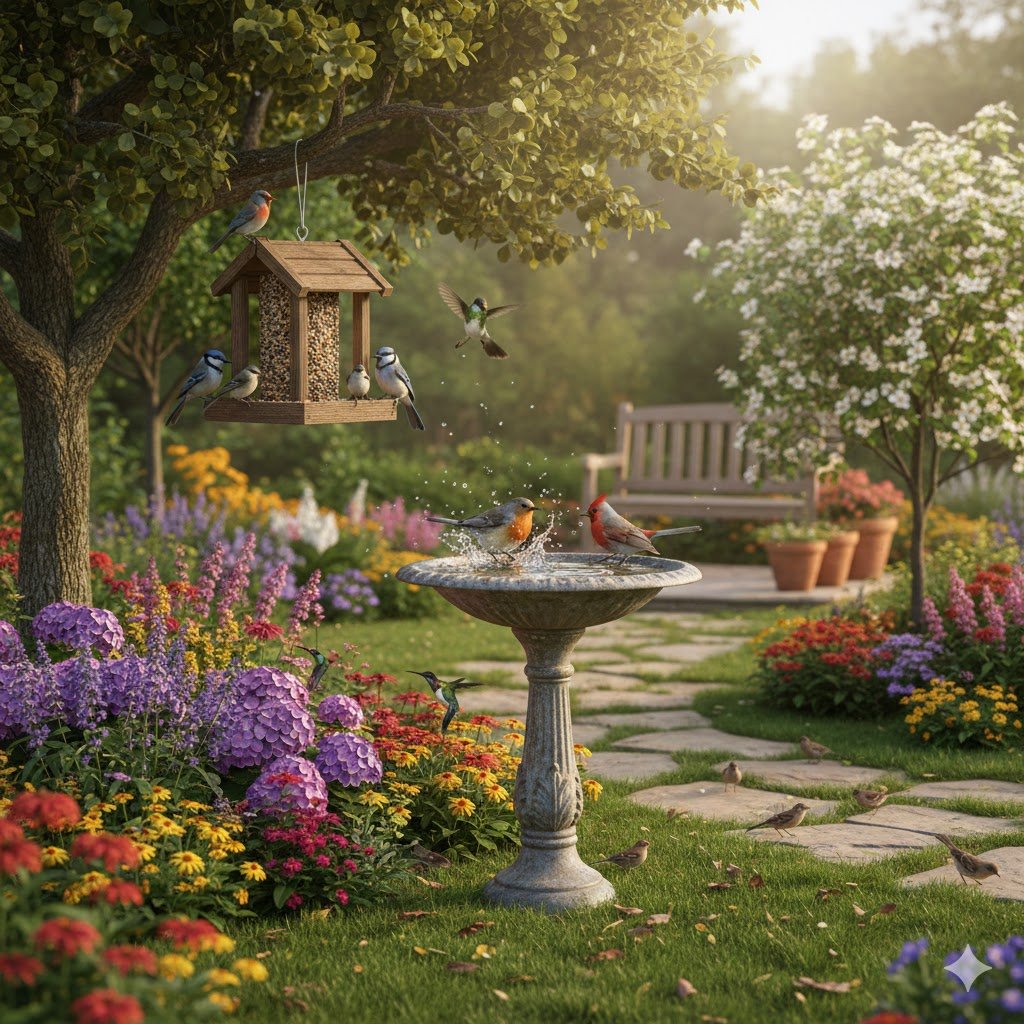
There’s a quiet kind of magic that happens when birds decide your backyard is worth visiting.
It starts with one curious chickadee. Then a pair of cardinals. A goldfinch flashes yellow in spring. A hummingbird zips through like a jewel with wings. And before you know it, your yard isn’t just a yard anymore — it’s habitat.
The good news? You don’t need acreage. You don’t need to spend thousands of dollars. You don’t need to be a master gardener.
You just need to make a few intentional changes.
Let’s talk about the simple, high-impact shifts that turn ordinary backyards into bird magnets.
1. Add Water — The Most Overlooked Magnet
If you do only one thing, make it this: add water.
Birds can find food in many places. Clean water? That’s harder to come by - especially in suburbs and especially in drier parts of the country.
A simple bird bath can double or triple the number of species that visit your yard.
Why water works:
Birds need it for drinking and bathing.
Moving water (a small dripper or fountain) catches attention.
In dry climates, water can be more valuable than seed.
In winter, heated water is lifesaving.
A few tips:
Keep it shallow (1–2 inches).
Add stones so smaller birds have footing.
Clean it every few days (more often in summer).
Place it near shrubs so birds can dash to safety.
You’ll see everything from Northern Cardinal to American Goldfinch and even wary Blue Jay stopping in for a splash. And the shy birds that don’t dominate the feeders will sneak up for a drink and bath.
Water says: You’re welcome here.
2. Offer the Right Seeds (Quality Over Quantity)
Bird feeding can help — when done thoughtfully.
Start simple:
Black oil sunflower seeds – The universal favorite.
Nyjer (thistle) – For finches.
Suet (winter especially) – For woodpeckers and insect-eaters.
White proso millet (in moderation) – For ground feeders.
Resist the temptation to buy cheap mixed seed packed with filler. Birds toss what they don’t want, and it ends up sprouting weeds or attracting rodents.
If you’re unsure which feeder style works best for your yard, we break that down in our Best Feeders post — from tube feeders to platforms to tech-enabled options. The right feeder reduces waste, minimizes conflict, and keeps birds safe.
And equally important? Read our What NOT to Feed Birds post. Bread, processed foods, honey in hummingbird nectar — these can cause real harm. Good intentions aren’t enough. Knowledge matters.
Feeding birds is stewardship, not just entertainment.
3. Plant Native — The Real Long-Term Strategy
If feeders are a supplement, native plants are the foundation.
Native plants:
Produce natural seeds and berries.
Host insects (critical protein for nesting birds).
Provide shelter and nesting materials.
Support entire ecosystems — not just birds.
That caterpillar on your oak tree? It might be dinner for baby chickadees. The berries on your native shrub? Winter survival food.
Birds evolved with native plants. When we restore even a small piece of that partnership, everything changes.
You don’t have to tear out your entire yard. Start small:
Add one native shrub.
Replace a corner of turf with wildflowers.
Plant grasses along a fence line.
Leave seed heads standing in fall.
It’s not about perfection. It’s about progress.
4. Provide Cover — Birds Need to Feel Safe
Food and water attract birds.
Safety keeps them.
Birds are constantly scanning for predators. If your yard is wide open with nowhere to hide, many species simply won’t risk it.
What birds look for:
Dense shrubs.
Evergreen trees.
Brush piles.
Layered landscaping (low, mid, high).
A simple “messy corner” can be a lifesaver. Check for the full grown size then plant your shrub at least 6’ away from birdfeeders. Leave some leaf litter. Stack trimmed branches in a discreet pile. Let shrubs grow a bit fuller.
You may suddenly notice shy species like Carolina Wren or White-throated Sparrow that previously passed you by.
Think of your yard in layers:
Canopy – trees
Mid-story – shrubs
Ground – grasses, leaf litter
Layers equal life.
5. Reduce Predator Risks
Here’s the part that isn’t always fun to talk about — but it matters.
Backyard birds face real dangers:
Outdoor cats
Window collisions
Raccoons and snakes
Hawks (natural predators — but we don’t need to make hunting easier)
We can’t eliminate all risk. Nor should we — hawks are part of the ecosystem. But we can avoid tipping the scales.
Simple changes:
Keep cats indoors.
Place feeders either within 3 feet of windows (reduces collision speed) or more than 10 feet away.
Add window decals or UV film.
Use baffles on feeder poles.
Avoid placing feeders directly next to dense ambush cover.
Predator protection isn’t about controlling nature. It’s about not accidentally stacking the deck against songbirds.
6. Create Resting Spots
Not every bird comes to feed.
Some just need a place to pause.
Add:
Perching branches.
A dead tree snag (if safe).
Horizontal limbs.
Fence lines near shrubs.
Watch how birds move. They rarely fly straight into a feeder from open sky. They land nearby first. They assess. Then they commit.
By offering staging areas, you’re making their decision easier.
7. Keep It Clean
A healthy feeding station is a clean one.
Dirty feeders can spread disease. Moldy seed can harm birds. Standing water breeds bacteria.
A simple routine:
Clean feeders every 1–2 weeks (more in wet weather).
Disinfect with a mild bleach solution (rinse thoroughly).
Rotate feeding areas occasionally.
Remove wet or spoiled seed promptly.
If you see birds with crusty eyes or lethargy, temporarily remove feeders and clean thoroughly.
Stewardship means paying attention.
8. Think Seasonally
Backyard birding changes through the year.
Spring:
Nesting materials.
Protein (insects).
Water for bathing.
Summer:
Shade.
Frequent water cleaning.
Fresh nectar for hummingbirds.
Fall:
Native seed heads.
Migration refueling.
Winter:
High-fat foods.
Heated water.
Dense shelter.
What works in July may not work in January.
Bird-friendly yards evolve — just like the birds do.
The Ripple Effect
Here’s what happens when you make these simple changes:
You begin noticing more.
The flash of red that disappears into a shrub. The quiet “chip” call from leaf litter. The subtle differences between a finch and a sparrow.
Your yard becomes a classroom. A sanctuary. A reset button.
And maybe most importantly — it becomes part of something bigger.
When thousands of homeowners make small habitat improvements, we create corridors of survival across neighborhoods, cities, and rural landscapes.
A bird doesn’t care about your property line.
But it will remember your water source.
Start with water.
Add the right seeds.
Plant a native shrub or two.
Create a safe, hiding place.
Expand as you want and can.
Small changes and suddenly you realize, you’ve built a refuge.
